
Pruning Your Trees
Get Inspired Week 10

For in the true nature of things, if we rightly consider, every green tree is far more glorious than if it were made of gold and silver. – Martin Luther
True or False? Trees tell us where they want to be pruned. The answer is…..*drumroll please*..... TRUE! Trees talk to us all the time, showing us what they need to stay healthy and strong. Branch collars and bark ridges are just two examples of the visual language of trees. These amazing features of a tree’s anatomy tell us exactly where to prune a tree.
If you’d like to learn about our online course Designing Luxurious Gardens and Containers: The Inspired Garden Masterclass, click the button below.
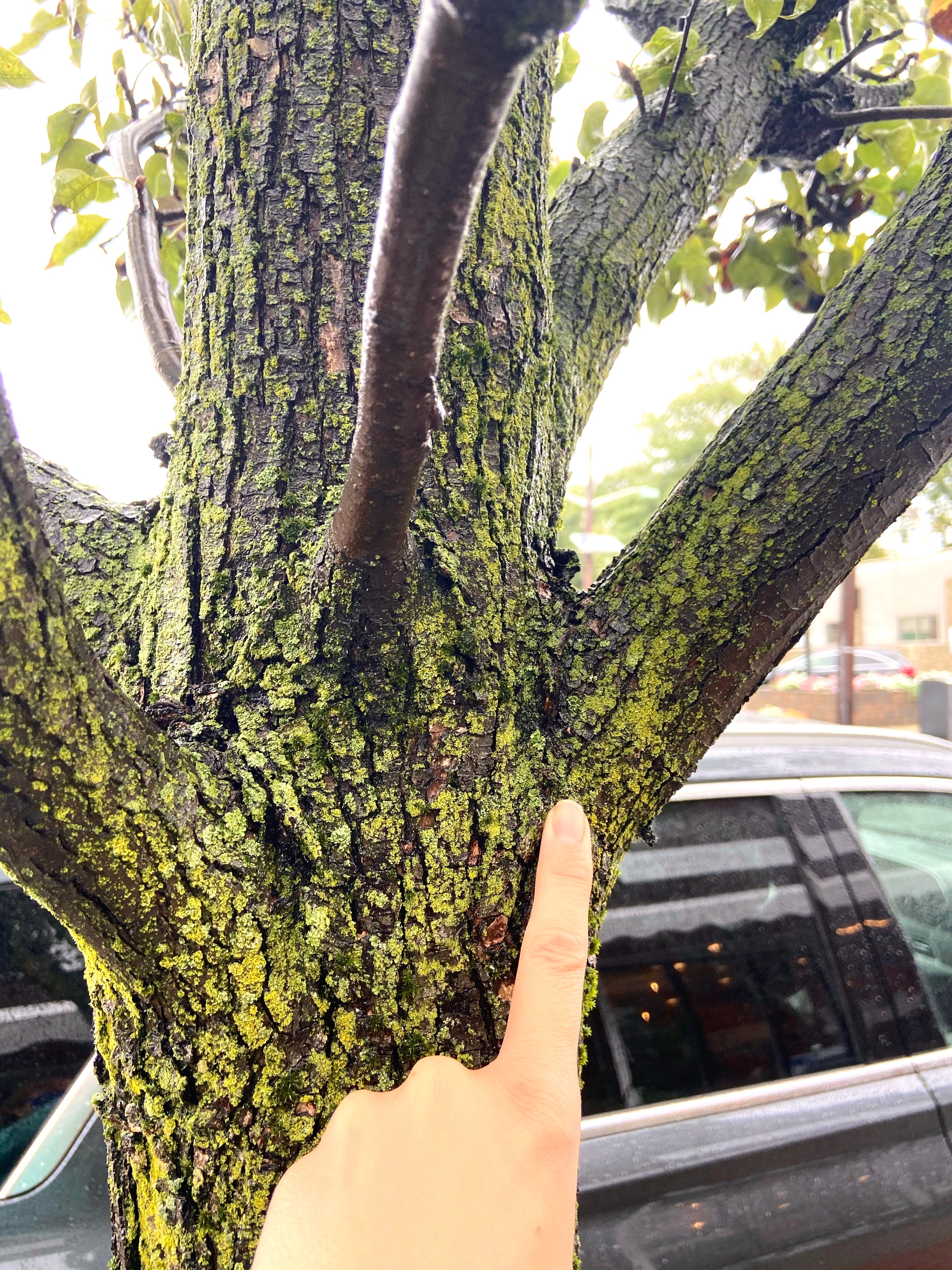
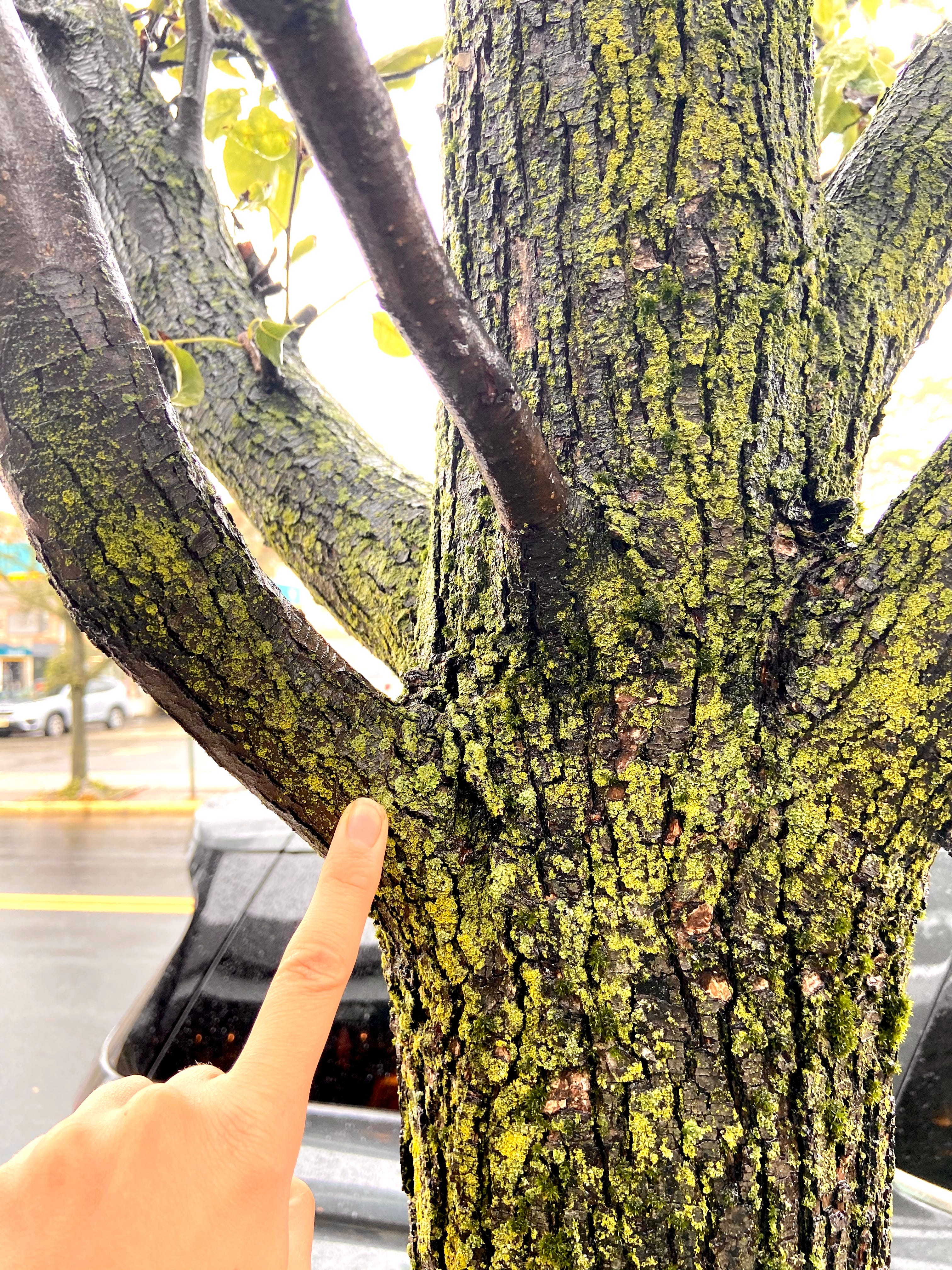
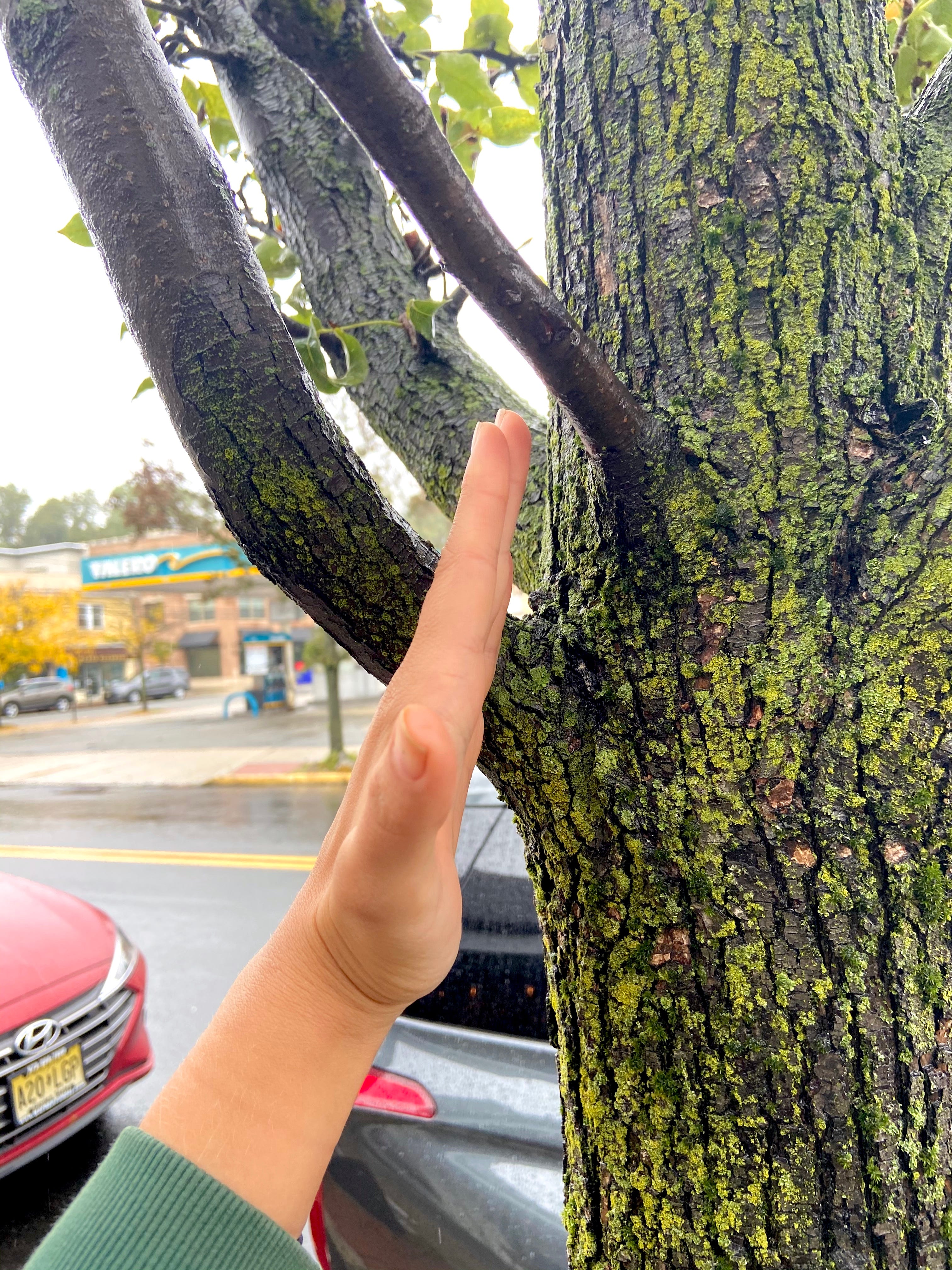
The branch collar is the raised area at the bottom of a branch where it meets the trunk. My finger is directly on it in the photo above. You can tell where the branch collar is because the area at the bottom of a branch tapers out. The branch will be thinner right before the branch collar. The branch bark ridge is an area of gathered bark that forms a seam between the branch and the trunk (see below). These two indicators show us exactly where to make your pruning cut.
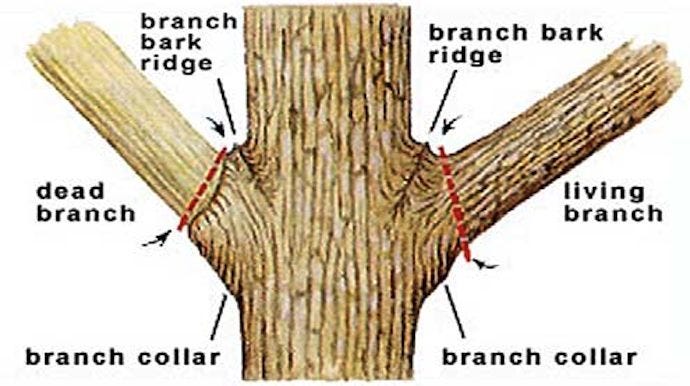
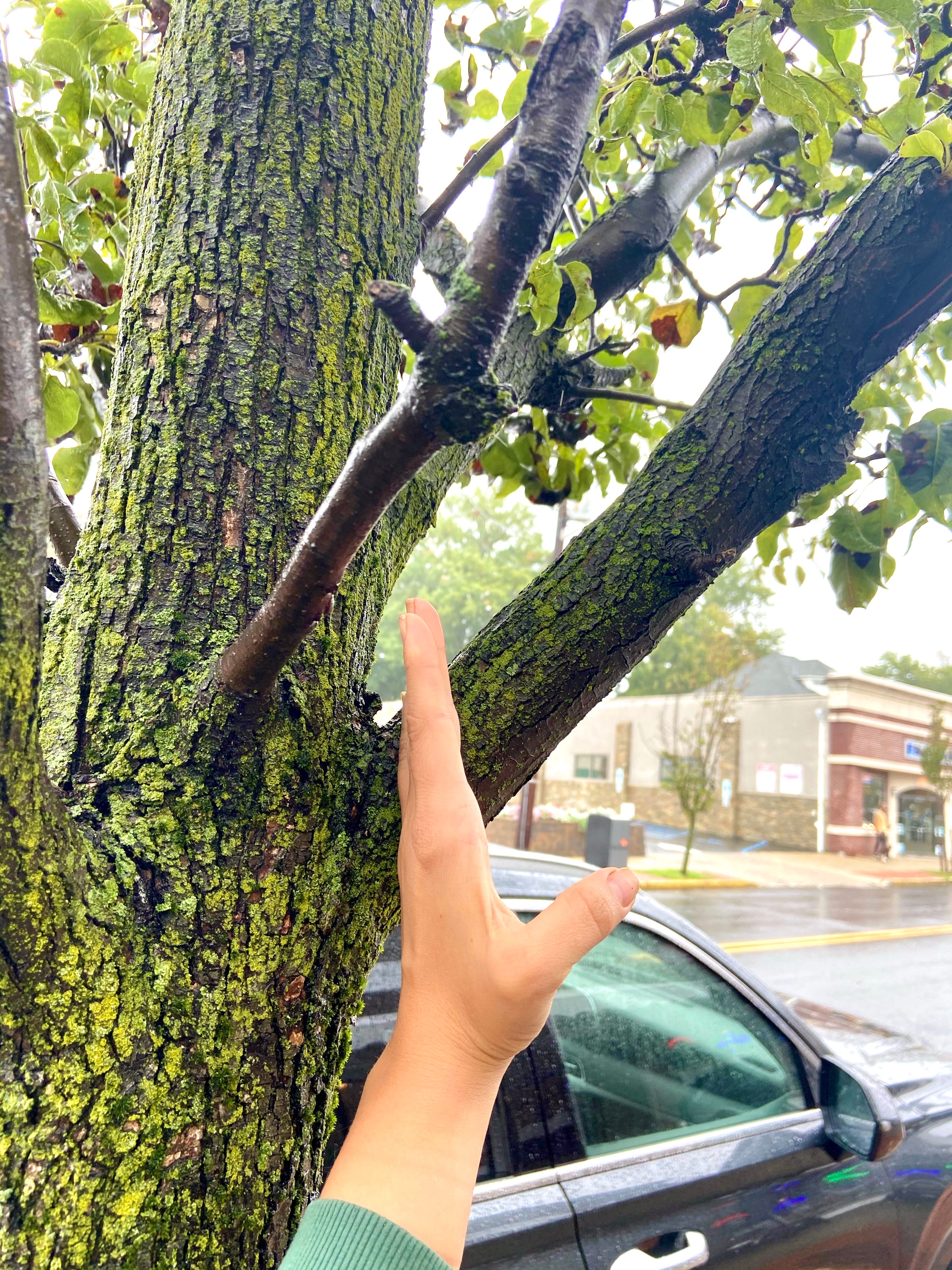
Notice in the photos above how I placed my hand about an inch outside of the bark ridge and branch collar, not directly on top of them. This is where you make your cut. Why? Because the wood tissue inside the branch collar is very thick, and cutting this tissue would make it harder for the tree to heal. Also, if the cut is too close to a tree’s trunk, you risk opening the main stem to infections. A cut too close to the trunk would likely create a chasm where lots of little fungal organisms could take hold and make themselves a home.
This area is ideal for pruning because it is where it is most likely to heal properly. The branch collar helps the tree produce a callus, which serves as a protective covering for the open wound that results from cutting a tree limb. If you cut into the branch collar, or too far away from it, a proper callus will not form. Right outside the branch collar is where you want to be.
As always, the Inspired Garden recommends hiring a tree or garden worker for pruning, as they can spot signs of infection and damage that an untrained eye might miss. If you want to venture into pruning yourself, we highly recommend watching this video for step by step instructions on the proper way to make a cut to maintain tree health: https://www.ipm.iastate.edu. Be sure to prune your trees in late winter, as this is the time when the tree is dormant and most protected from infections.
Happy pruning!
Lucinda
Lucinda fell in love with nature watching The Crocodile Hunter as a young girl, and wanted to study reptiles until she realized that plants were easier to catch and way more interesting. She studied invasive plants as a California park ranger, and is certified by the International Society of Arborists. Lucinda loves sharing her extensive knowledge of plants and trees as manager of The Inspired Garden.